Five friends started Imiso Ceramics. Two of them stayed with the clay
Andile Dyalvane and Zizipho Poswa started Imiso Ceramics with three friends. Within four years it was the two of them, and their work is now in museum collections.
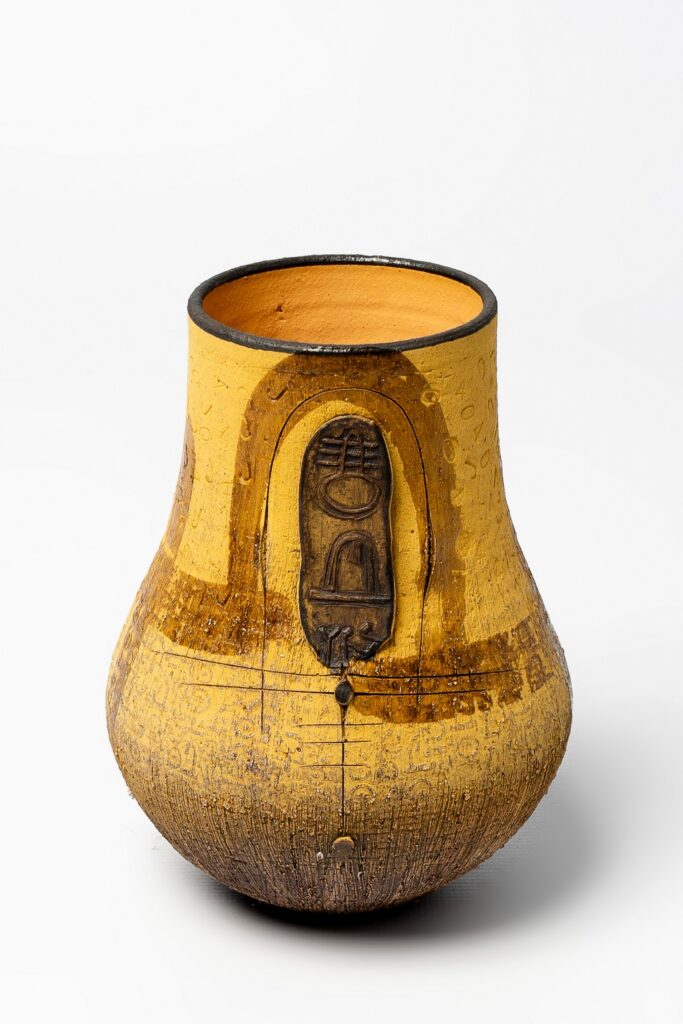
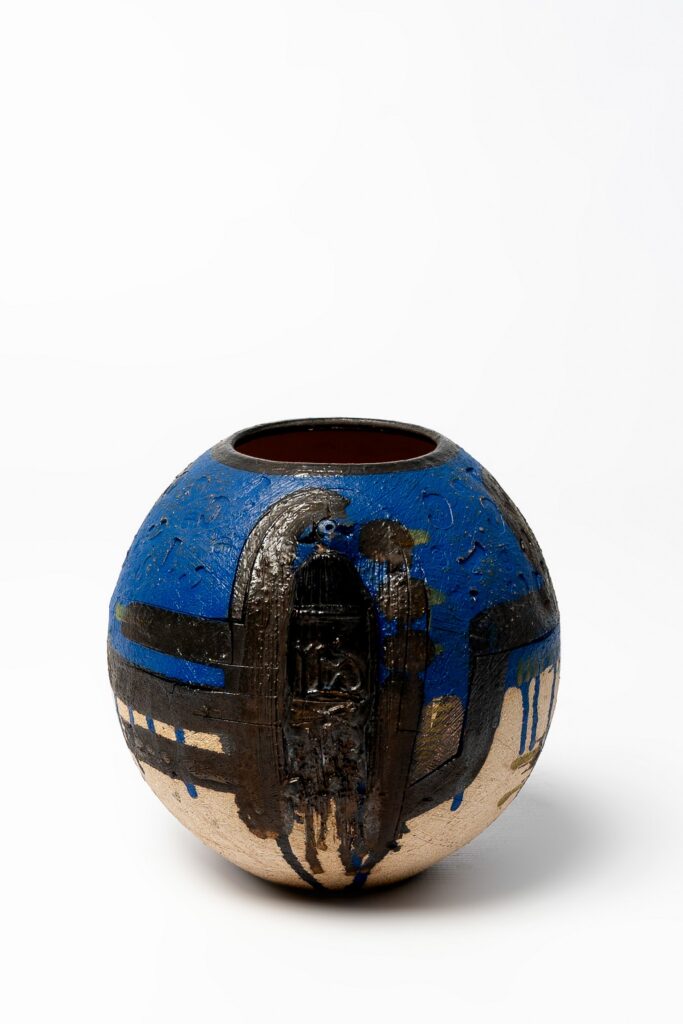
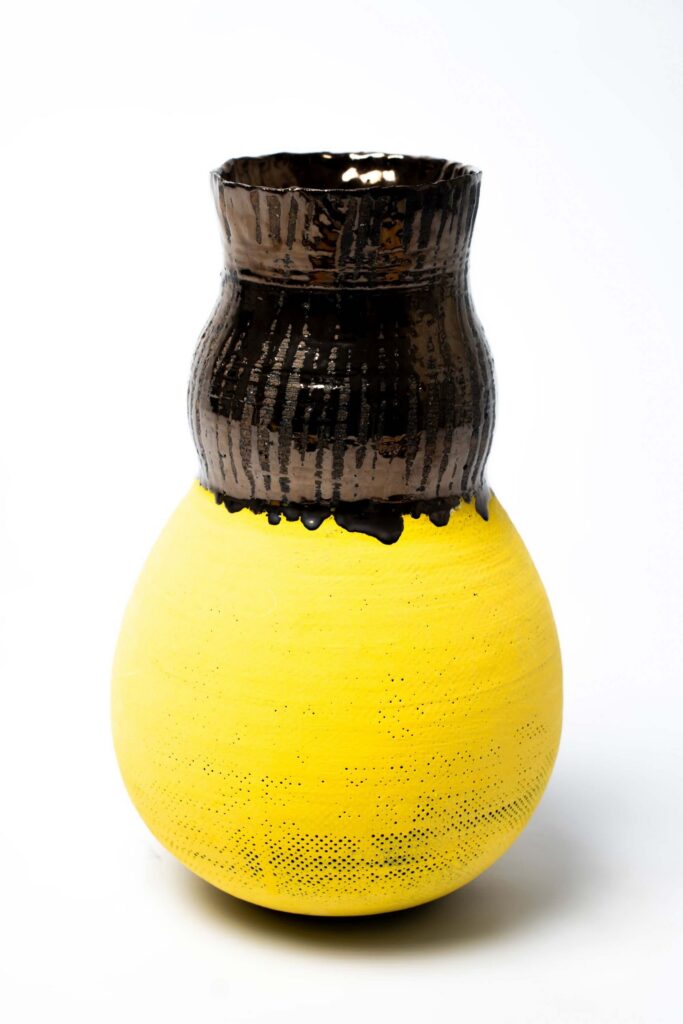
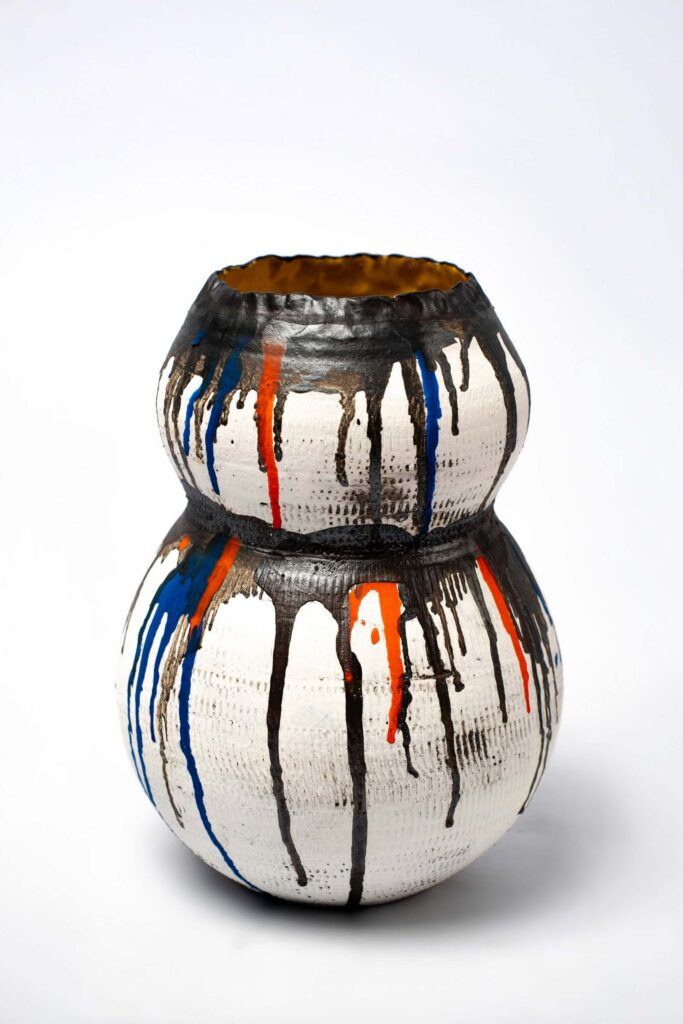
Andile Dyalvane was shaping cattle long before he made a pot. Art was discouraged at his school in Ngobozana, a village in the rural Eastern Cape, so as a boy he modelled the family's livestock in mud on the riverbanks, Shelflife reported in 2024. A family friend who saw his drawings steered him to an art and design course at Sivuyile Technical College in Gugulethu. Once he found clay, he filled a sketchbook meant to last a year in a single week. "My memories of home came streaming in while working with this deeply ancestral material," he told Shelflife.
That material still drives Imiso Ceramics, the Cape Town studio and gallery he runs with Zizipho Poswa. The name is the isiXhosa word for tomorrow.
Five founders, then two
Imiso did not start as a pair. According to Shelflife, it began as a collective of five young entrepreneurs, and the Craft and Design Institute noticed their energy and helped them reach the markets they were after. Dyalvane had finished a diploma in ceramic design at Port Elizabeth Technikon in 2003. Poswa, born in Mthatha, had majored in textile design, though she told the Sunday Times in 2017 that she always knew she would end up working with clay.
Both had first worked for other designers, Ceramics Monthly reported in 2023, and both wanted to do their own thing. "There was no other plan B," Poswa told the magazine. The studio opened in the middle of the 2000s, and within a few years the founding group had thinned. Dyalvane put it plainly to Shelflife: "Four years after opening our doors, we were down (or up) to just Zizipho Poswa and myself."
Boom, slump and a smaller studio
The early years moved fast. The Design Indaba named Dyalvane an Emerging Creative in 2005, and soon afterwards Poswa's pinch pots caught the eye of the American retailer Anthropologie. Ceramics Monthly describes a studio running two ways at once: production assistants worked with Poswa to meet the standards of international supply chains, while others worked with Dyalvane on designs inspired by anything from the Cape Town harbour to Picasso.
Then the 2008 downturn hit. West Elm sourced Imiso's work for a South Africa-focused range in 2012, but the market gave the team pause. For a while the studio scaled right back, with sales and production taking place only from the Old Biscuit Mill in Woodstock. Ceramics Monthly says those years taught the partners branding, quality control and business management, and that Poswa's management skills were sharpened in the heavier production period.
Two voices under one name
What came next was slower and more personal. Each founder now works in a distinct voice. Dyalvane's large pieces draw on heritage, memory and ancestral connection. His iThongo installation, 24 large ceramic chairs set in a circle, premiered in his Eastern Cape village before it showed at Southern Guild in Cape Town in December 2020 and at Friedman Benda in New York in May 2021, his biography on the Imiso site records.
Poswa builds tall, hand-coiled sculptures. Her Umthwalo series pays tribute to rural women who carry heavy loads on their heads over long distances. iLobola, her first solo show, combined hand-coiled clay with cast bronze for the first time, in honour of the cow's place in lobola. She told the Sunday Times she prefers hand-building to the wheel because it lets her give each piece its own character, and that even larger thrown or press-moulded pieces are finished by pinching them by hand.
In 2021 the Metropolitan Museum of Art in New York acquired work by both of them for its Afrofuturist period room, Ceramics Monthly reports. Their individual art goes to international fairs and exhibitions through Southern Guild, while the vessel collections stay with the Imiso gallery. After Cape Town's 2018 drought and the pandemic, the team also set up a nonprofit foundation to support community work, particularly near Dyalvane's family home in Ngobozana.
For a visitor, that split is worth knowing. The gallery holds one-of-a-kind vessels, scarified vases and tableware, made by hand with the marks of making left in, and the working studio is in Salt River. Buy at the gallery, Unit A102, The Old Biscuit Mill, 373-375 Albert Road, Woodstock, or online at imisoceramics.com in rand or US dollars.