A box of rope, a Cape Town flat and the jewellery that followed
Katherine-Mary Pichulik first knotted jewellery on long train rides in India to keep her hands busy. A box of rope turned the habit into a Cape Town atelier.
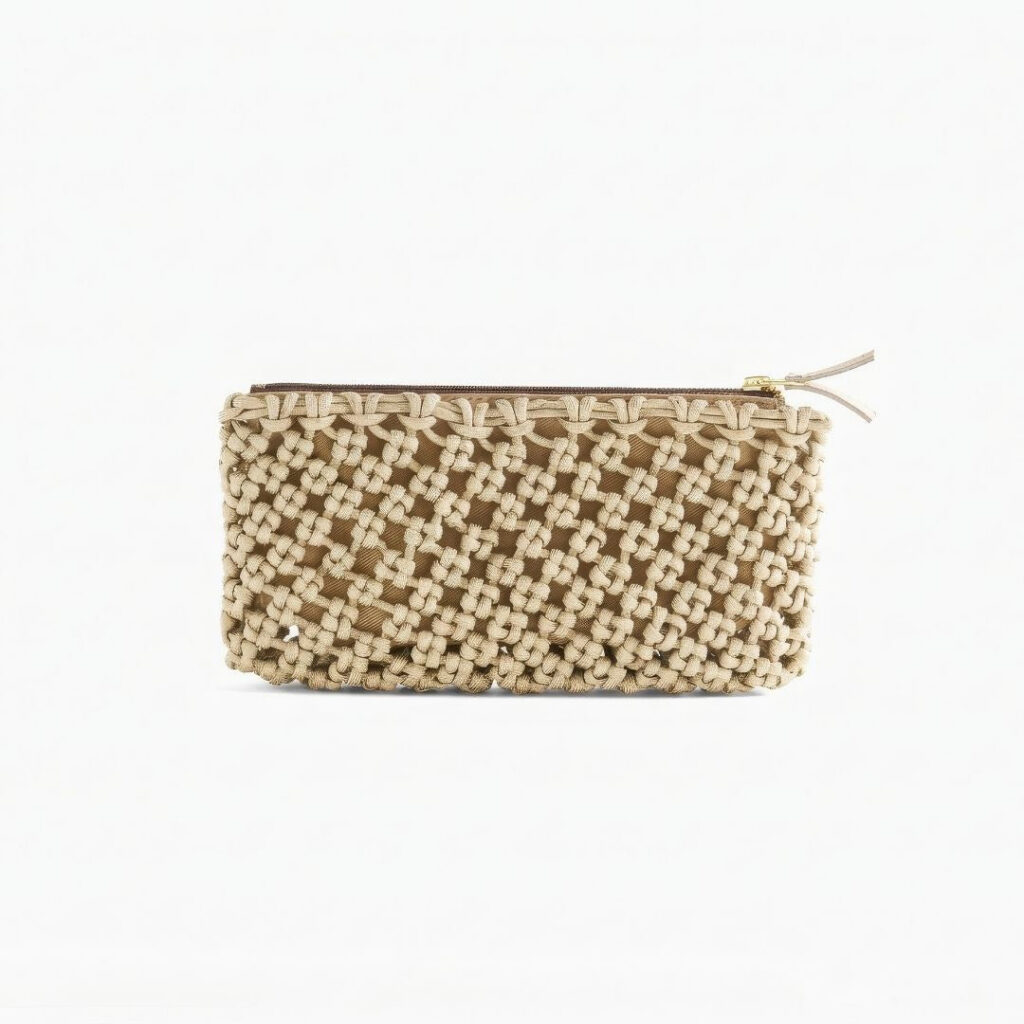
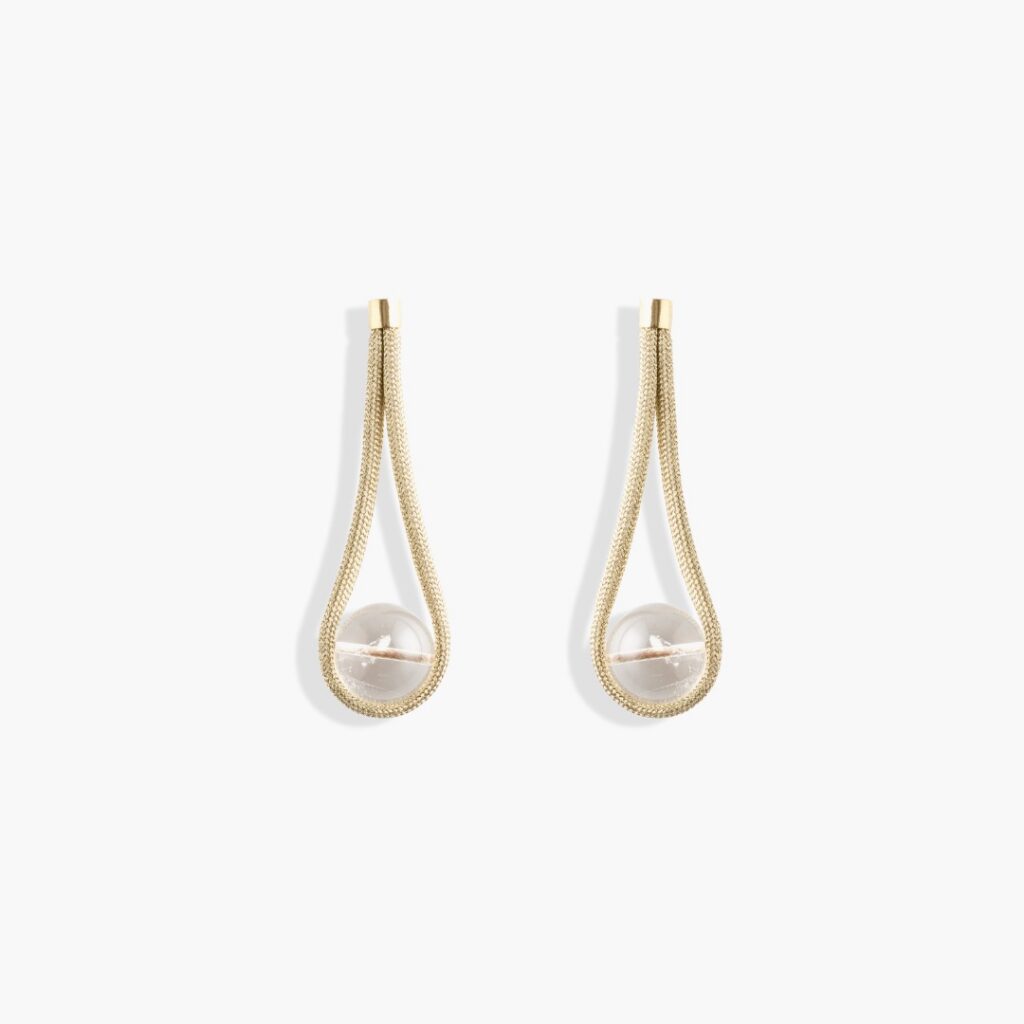
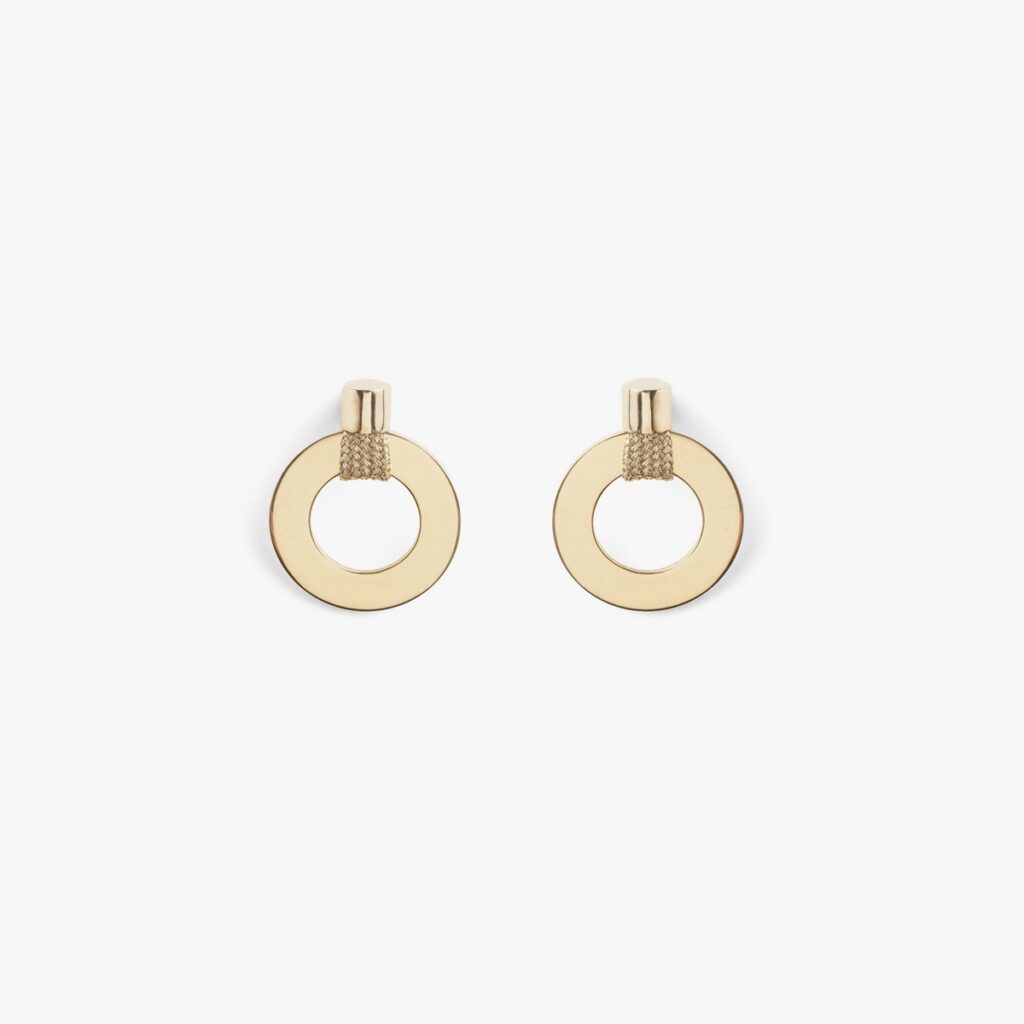

Before there was a brand, there was a bakery in Brixton. After her fine arts degree, Katherine-Mary Pichulik took an internship at a fine arts magazine in London and paid her way with 3am shifts at the bakery, she told Lionesses of Africa in 2015. Then she went backpacking through Spain and India, picking up small objects as she went. "On long train journeys, I began to weave them together into jewellery design pieces just to keep my hands busy," she said.
The material that would define her work came from closer to home. Her then boyfriend's father owned a rope shop, she told Bubblegum Club, and he noticed her playing with threads. "He brought me a box of rope and I just started to play," she said. The playing slowly turned into pieces she wore herself.
Bought off her neck
Back in Cape Town she kept making pieces until she had a small collection of about six. She had no formal training in business or fashion, and wore the pieces herself. "When I wore them, they were bought off my neck," she told TimesLive in 2016. She asked the photographer Alix Rose Cowie to shoot them, and the label Lalesso then asked her to make the accessories for its Mercedes-Benz Fashion Week show in Cape Town. The hobby became a business on the demand that show created.
The early years were small and home-made. Looking back for Woman & Home on the brand's tenth birthday, she said the business first ran out of the kitchen of her one-bedroom flat, alongside her other work in catering and writing, while she showed as an Emerging Creative at Design Indaba. She also trained as a pastry chef, she told Lionesses of Africa in 2023, and comes from a family of entrepreneurs: her brothers, her sister, her mother and her stepfather among them.
In 2015 she told Lionesses of Africa that the business had grown without any seed capital. Rope helped: it is an industrial material, and an inexpensive one, which kept her margins healthy while orders grew. The same interview names the hard parts, cash flow above all once larger retailers with 30 to 60 day payment terms came on board.
Rope, brass and stone
The company dates its founding to 2013. Its signature has stayed the same: locally produced and re-purposed rope, worked into sculptural forms and finished with cast brass, precious stones and found materials. In 2016 TimesLive listed fossilised pieces from Niger, brass from West Africa, recycled glass from Ethiopia and Ghanaian agate among the materials, worked by a team of eight women in Woodstock. Ten years in, Katherine-Mary Pichulik told Woman & Home that the brand had stayed loyal to rope, exploring it in resin and in casting, and that it still keeps its locally made share at 97 per cent.
Workshop and shop sit under one roof. In 2023 she described a vertical business, with the crafting and operations team housed in a heritage building above the boutique. The company says every piece is made by a single artist from start to finish, so each crafter learns the full range of skills rather than one step on a line. Its own sustainability page says it pays its crafters above market rates, mentors them into more skilled roles, and uses a Xhosa facilitator so that everyone in the studio can follow internal communication in their own language.
Some of its habits are practical rather than grand. Dust bags are cut from offcuts, the tissue paper is acid-free and recyclable, and seasonal misfits are reworked rather than thrown away. Customers who own a hand-wrapped piece are invited to bring it back to the studio to be re-wrapped.
Two at the top
In 2019 Tracey Chiappini-Young joined as Commercial Director, and the two now lead the company together as joint CEOs. Pichulik told Lionesses of Africa in 2023 that she credits the brand's recent successes to that partnership. The company says its jewellery is sold in up to sixteen countries, and it has worked with By Malene Birger in Copenhagen and with the designer Lukhanyo Mdingi.
Asked in that same interview for her advice to women starting out, she began with one line: "Your business will be your greatest teacher." It is a fair summary of how this one grew, one order at a time, from a box of rope that was never meant to be a business.
Visit the PICHULIK Atelier at 16a Buiten Street in Cape Town, the store at the V&A Waterfront, or buy online at pichulik.com.